
Why do luxury watches lose time and what does accuracy really mean?
Ever checked your luxury watch against your mobile and discovered it’s a few seconds behind? No need to panic.

Mechanical watches aren’t designed to keep time with the same accuracy as a smartphone or quartz watch. In fact, a small amount of variation is absolutely expected… and for many watch enthusiasts, that’s actually part of the charm.
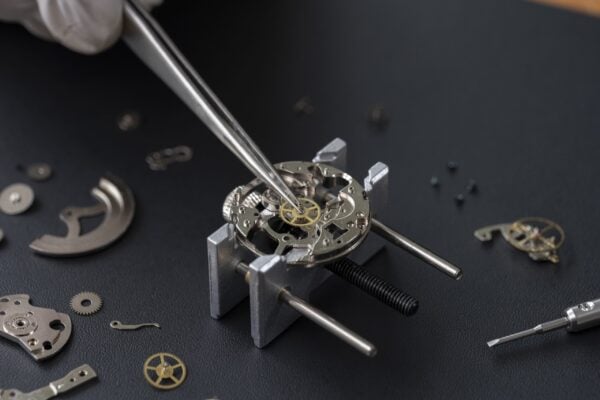
But just how accurate should a mechanical watch be and what does ‘seconds per day’ even mean? We’re here to tell you when you should start worrying about your watch.
How accurate are mechanical watches?
When watchmakers talk about accuracy, they’re usually referring to how many seconds a watch gains or loses over 24 hours.
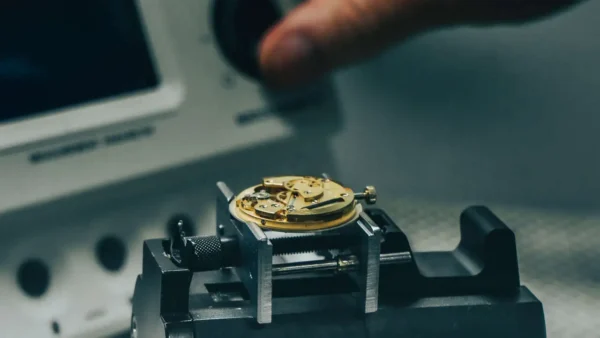
For example, if your watch is running at +5 seconds per day, it is gaining around five seconds every 24 hours. Over a week, that’s 35 seconds.
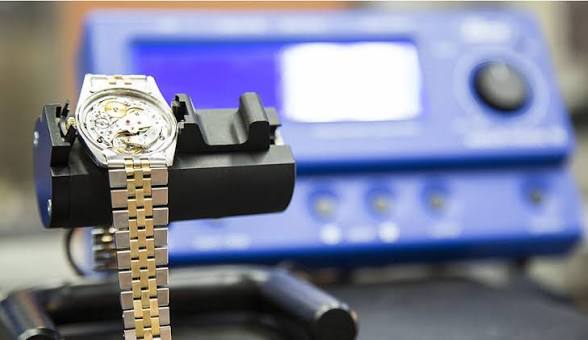
It doesn’t sound like a lot when there are 86,400 seconds in a day. It’s also important to remember that a mechanical watch can perform differently depending on how it is worn, wound and stored.
Why do mechanical watches lose time?
Unlike a quartz watch, a mechanical watch relies on hundreds of tiny moving components working together. A mainspring stores energy, gears transfer it through the movement and an escapement regulates how that energy is released.
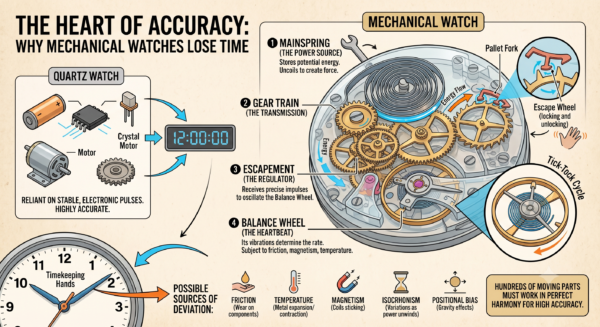
Gravity, temperature, magnetism, shocks and even the position in which your watch is left in can all influence its rate.
What can affect watch accuracy?
There are loads of reasons why movements can behave differently – and one depends on whether the watch is lying flat, crown-up or crown-down! Gravity can have a subtle effect on the balance wheel and therefore the rate of the watch.
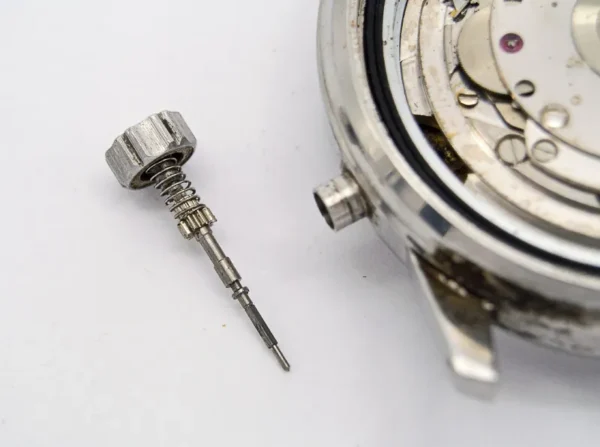
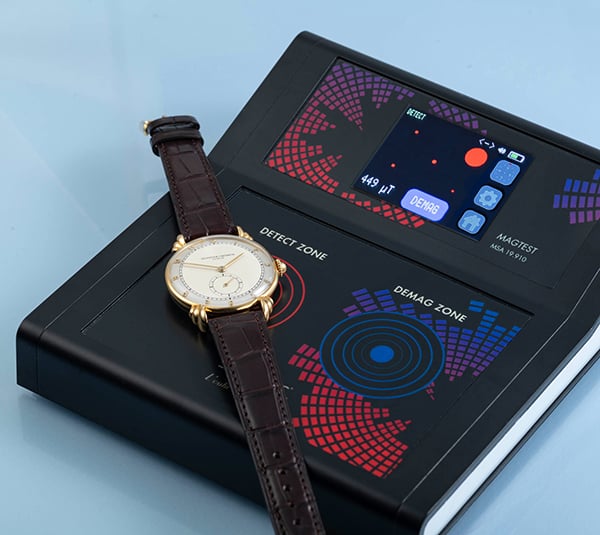
Magnetic fields can affect certain components within a mechanical movement and cause a watch to gain or lose time. Things like speakers, electronic devices and magnetic clasps can be potential sources.
Even changes in temperature can affect the materials inside a movement. Modern luxury watches are engineered to minimise these effects, but extreme temperatures can still influence accuracy.
A mechanical watch is designed to be worn, but a significant impact can affect delicate components. And of course, lubricants can deteriorate over time.
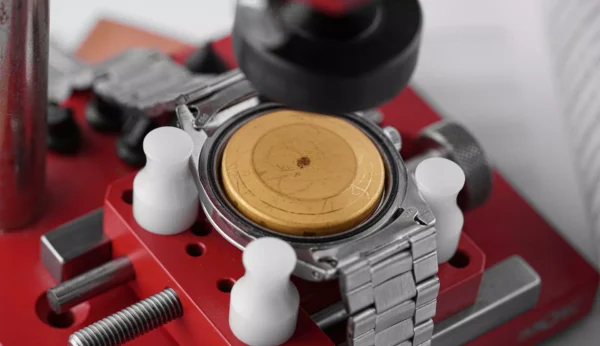
This is why professional servicing matters. A proper service can include checking accuracy and regulating the movement.
Should you be worried if your watch loses a few seconds?
The main thing is to look for a change in performance rather than becoming obsessed with every individual second.
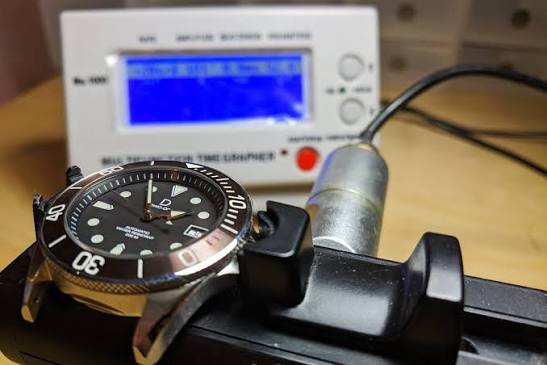
If your watch consistently loses a couple of seconds per day, that may simply be its normal rate. If it suddenly started losing 20 or 30 seconds a day when it previously kept excellent time, it’d be worth having it checked.
Mechanical watches aren’t about perfect accuracy
If absolute accuracy is your priority, quartz technology is difficult to beat. But that isn’t why most people buy a luxury mechanical watch.

A Rolex Daytona, Audemars Piguet Royal Oak or another fine mechanical timepiece is appreciated for its craftsmanship, engineering, heritage and the cool tiny mechanism working away beneath the dial.
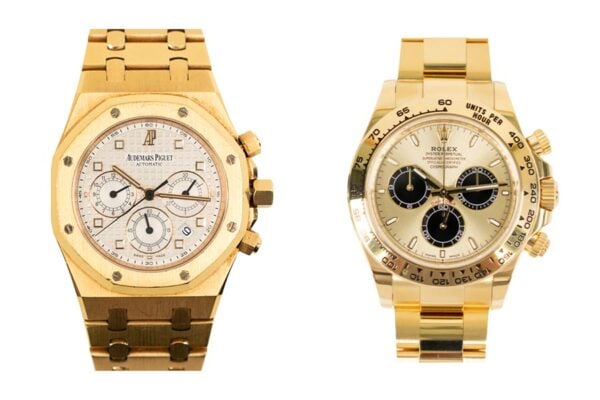
It might gain or lose a few seconds here and there. And if it does, that doesn’t necessarily mean there’s anything wrong with it!
We offer services here at Luxe Watches, for Rolex, Omega, Cartier, Breitling, Audemars Piguet and more. Every watch is handled by manufacturer-trained technicians using approved methods and precision equipment. If you don’t live nearby, you can send your watch to us in the post..