
Polishing vs Original Condition: What Actually Preserves Watch Value?
When it comes to watch value, few topics are more misunderstood than polishing. For some, it’s simply part of routine maintenance. For others, it’s something to avoid entirely. In reality, the answer depends on the watch, its age, and how it has been cared for over time.
Understanding the balance between appearance and originality is essential- especially if you are considering resale or simply want to preserve the integrity of your timepiece.
Should I Polish My Watch?
If your watch has picked up light scratches through regular wear, it’s natural to consider polishing.
For modern luxury watches, a careful, professional polish can restore the case and bracelet without issue when carried out correctly. It can help return the watch to a refined, presentable condition.
However, if your focus is long-term value retention, restraint is important. The key consideration is not just how the watch looks today, but how much of its original surface and shape is being preserved over time.
Polished vs Unpolished Watch: What Collectors Look For
The discussion around a polished vs unpolished watch is really about originality.
An unpolished watch retains its original factory line- the sharp edges, defined lugs, and precise finishing intended by the manufacturer. These details naturally soften with wear, but they still reflect the watch’s authentic history.
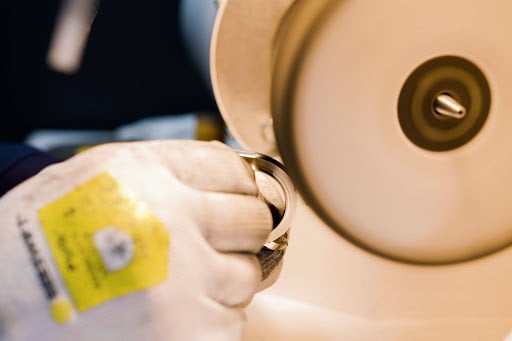
A polished watch can look excellent when done well, but each refinishing removes a microscopic layer of metal. Over time, repeated polishing can subtly alter proportions and soften case definition.
For collectors and experienced buyers, originality often carries more weight than cosmetic perfection. A watch that has been lightly worn but left largely untouched is frequently seen as more desirable than one that has been heavily refinished.
What Is an Over-Polished Watch?
An over-polished watch has been refinished too aggressively or too frequently, to the point where the original case geometry has been affected.
Common signs include:Soft or rounded case edgesLoss of sharp lug definitionReduced contrast between brushed and polished surfacesAltered proportions compared to the factory profile
While the watch may still function perfectly, over-polishing can reduce its appeal in the secondary market and impact perceived watch value, particularly for sought-after references.
Does Polishing Affect Watch Value?
Polishing does not automatically reduce value. In fact, a well-executed light polish can improve presentation and make a watch more appealing to a wider audience.
The impact depends on:
- How often the watch has been polished
- The skill and sensitivity of the refinishing work
- Whether the original case lines have been preserved
Modern watches are generally more forgiving, while vintage and collector-focused pieces tend to place greater emphasis on originality.
In most cases, the market rewards well-presented watches that still retain their structural integrity.
When to Polish and When to Leave it Alone
A common misconception is that polishing is either always beneficial or always harmful. In reality, the right approach depends on the watch and your objectives.
As a general guide:
Consider polishing if:
- The watch is a modern luxury model worn regularly
- Scratches are affecting its overall appearance
- The work will be carried out by experienced specialists
- You intend to continue wearing the watch rather than selling it immediately
Consider leaving it unpolished if:
- The watch is vintage or highly collectable
- Original case lines remain well preserved
- You are preparing the watch for sale to collectors
- Previous polishing work has already been carried out
Ultimately, preserving originality should remain the priority, particularly for watches where collector demand influences value.
Maximising Value Before Selling
If your priority is resale, the most important principle is restraint.
To preserve value:
- Avoid unnecessary or repeated polishing
- Maintain original case geometry wherever possible
- Focus on servicing the movement rather than altering the exterior
- Keep the watch clean, but not over-restored
Buyers are increasingly informed, and many now prefer honest condition over overly refined presentation.
A watch that shows careful ownership is often more desirable than one that appears factory-new at the expense of originality.
The Importance of Professional Assessment
Every watch is different. Factors such as age, brand, condition and collectability all influence whether refinishing is advisable.
Before undertaking any polishing work, it is often worth seeking professional advice. An experienced watchmaker can assess the condition of the case and recommend an approach that balances presentation, originality and long-term value.
What Really Protects Long-Term Value
Polishing is neither inherently positive nor negative. Its impact on watch value depends entirely on how and when it is carried out.
The considerations surrounding polishing can vary significantly between brands and references. A modern Omega or TAG Heuer worn daily may benefit from careful refinishing, whereas a vintage Rolex or highly collectable model may derive greater value from preserving the original condition.
In most cases, the best approach is measured: preserve originality where possible, and only refinish when it genuinely enhances the long-term presentation of the watch.
A well-kept watch should still feel like itself- not a version that has been overly restored.