
The time of AI: Why mechanical watches have never been more relevant
Give AI a job to do, it’s done in seconds. Design a logo, compare some tricky stats, come up with a curry recipe that doesn’t include dairy or gluten…AI always produces something pretty convincing in a matter of seconds.

So why then, are we still fascinated by something that can take hundreds of hours to design, assemble and finish? Your phone is more accurate, cheaper and capable of doing considerably more.

However, the appeal of a finely made mechanical watch has never really been about knowing if it’s 10.30am. Perhaps that’s exactly why mechanical watches have never been more relevant.
The luxury isn’t really in telling the time
No one needs a £20,000 watch to tell them the time. We’ve got smartphones, computers, cars and even microwaves that can do that.

What you’re buying is something else… the engineering, history, craftsmanship, design….
The knowledge that hundreds of tiny components are working together on your wrist, often with very little visible evidence of just how complicated the whole thing is. That distinction has become increasingly important as technology has made so many products disposable.
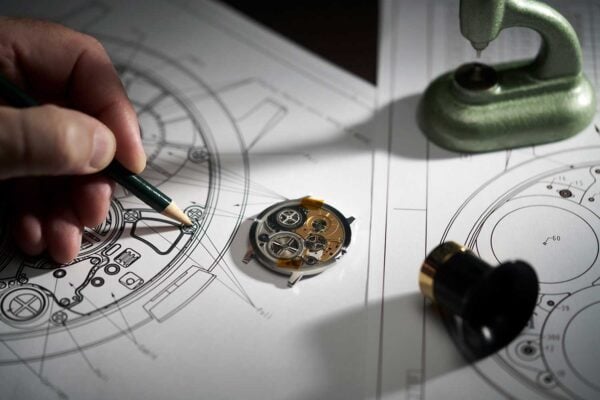
Phones are due upgrades every few years. Software changes overnight. AI can generate something new before you’ve had time to finish your brew. A mechanical watch takes a very different approach. It isn’t designed to be replaced when the next version comes along. Look after it, and it can be serviced, repaired and worn for decades.

When the mechanism becomes the show
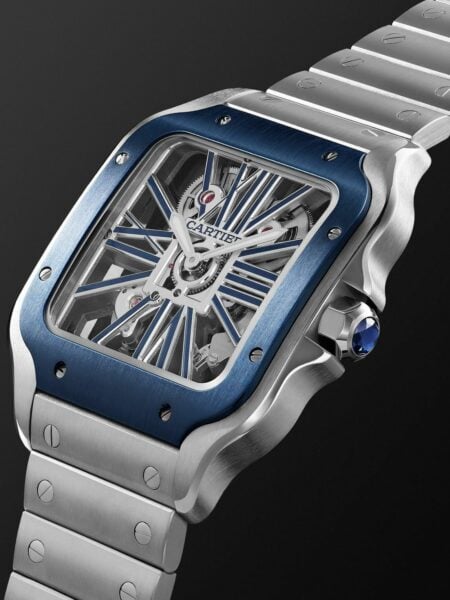
Perhaps nowhere is this more obvious than with a skeleton watch. Take the Cartier Santos de Cartier Skeletonised ‘Blue’. Rather than hiding the movement behind a traditional dial, the design makes the mechanics part of the watch itself. The 40mm stainless-steel model features a striking navy-blue skeletonised dial, allowing the intricate movement beneath to become part of the visual appeal. There’s something very vintage about it.
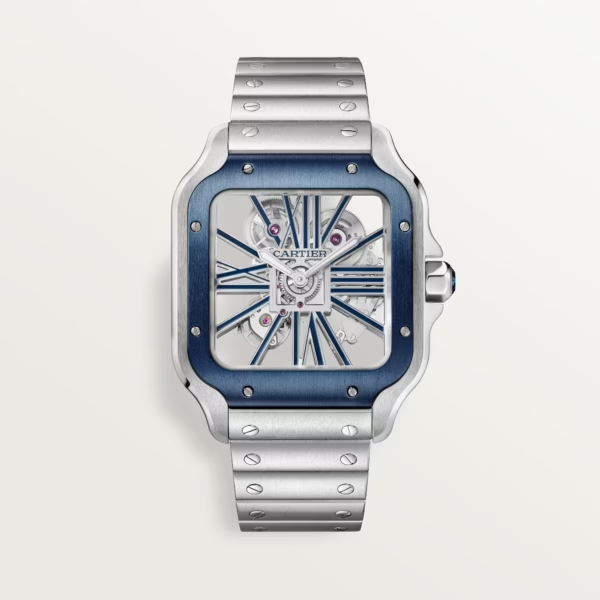
You don’t just look at the time. You can see cool machinery that makes the watch work. It’s also a good reminder that mechanical watchmaking isn’t simply about preserving an old technology. It’s about making that technology beautiful.
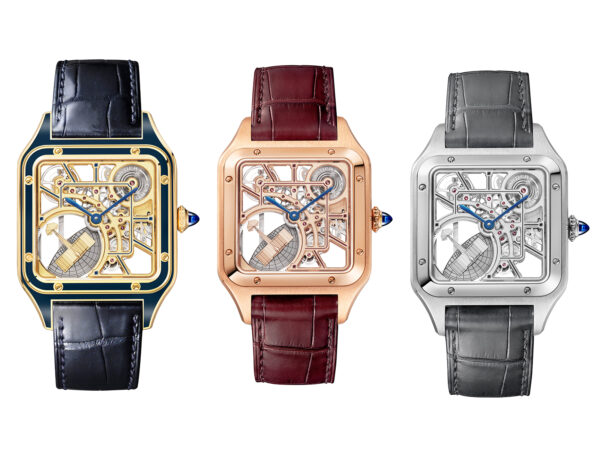
The Cartier Santos Dumont Skeleton takes the idea in a completely different way. Its 31mm 18ct yellow gold case, skeletonised movement and limited to just 150 pieces make it much more discreet, but the principle remains the same.
Not all craftsmanship needs to shout
Of course, mechanical watchmaking doesn’t always need to put its engineering front and centre.
The Rolex 1908 is a great example. No oversized case, no rotating bezel and no complicated-looking dial in need of attention. But the sapphire caseback reveals the calibre 7140, giving you a glimpse of the engineering beneath the understated exterior.
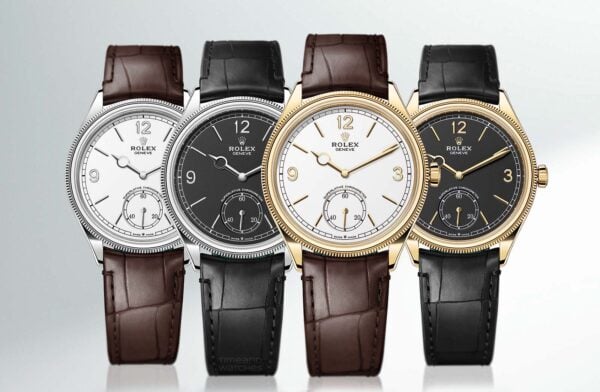
It’s a reminder that luxury can be about what you don’t see. And that feels particularly relevant today. We’re surrounded by technology that is becoming increasingly invisible. AI works behind the scenes. Algorithms decide what we see. Software quietly performs tasks that would once have required hours of human effort.

A mechanical watch does almost the opposite. It’s something tangible to look at. Something you can understand and appreciate.
The rise of slow luxury
Perhaps the next big trend in luxury will be about having something that lasts. The idea of ‘slow luxury’ fits mechanical watches well… objects that reward patience rather than demand instant gratification.
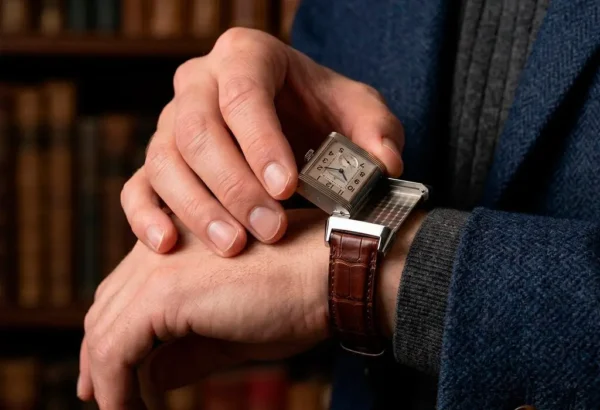
A movement can contain hundreds of components. A skilled watchmaker can spend hours finishing something that most people will never notice! But the key is when it’s finished, the owner doesn’t bin it when something newer appears. They pass it on.
Could AI actually make watches more desirable?
AI and advanced technology will undoubtedly have a role in watchmaking. Computer-aided design, precision manufacturing and increasingly sophisticated testing methods can all help watchmakers create better products.

But technology can’t manufacture the reason people become emotionally attached to a watch. Neither can it create the history of a vintage piece or replace the satisfaction you get when you see a fabulous movement through the caseback (or is that just us!?).
Maybe that’s the complete irony of the AI age. The easier it becomes to create things instantly, the more valuable things made with time, skill and patience may become.
Are you looking for your next luxury watch? Perhaps you’re looking to invest in your first timepiece? We’re here to help with a grand range of new and pre-worn timepieces.